By Malia Burgess, MSW, MFA, LCSW on 9/22/26, 5:21 PM
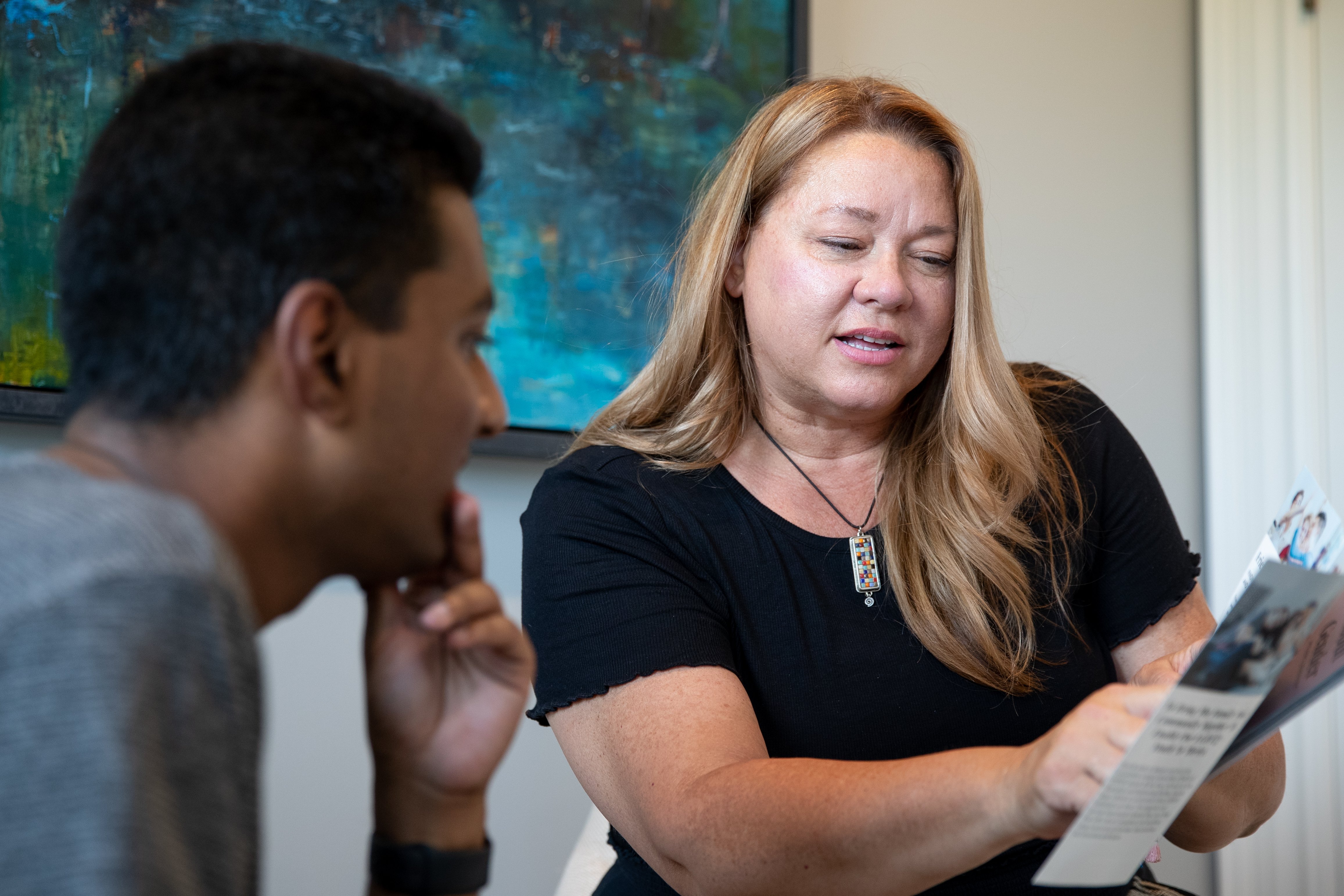
When a parent brings a struggling young person to Encircle, the hope is about more than simply getting through another difficult week. The dream is for that young person to thrive—to experience connection, build confidence, discover their strengths, and create a meaningful future.
That vision is at the heart of the Full Circle Model.
The Full Circle Model (FCM) is designed to bridge an important gap in traditional mental health care, the space between what a young person learns in therapy and what happens when they step back into everyday life.
Beyond the Therapy Room
Traditional therapy can provide an essential foundation for healing. But a weekly appointment is only one part of a young person’s life.
The Full Circle Model bridges the gap between private clinical support and community integration. Encircle homes are a kind of “social workbench", a low stakes, inclusive place where clinical tools and coping strategies can be practiced in real time, within the context of relationships and everyday experiences.
The model is built for LGBTQ+ and neurodivergent youth, and addresses factors that can contribute to disconnection, including minority stress, isolation, identity-based trauma, and acute anxiety. Rather than focusing solely on external accommodations, FCM works toward helping young people develop distress tolerance, situational regulation, and a stronger internal sense of agency.
A Journey Designed for Real Life
The Full Circle Model follows a structured pathway from clinical care into community participation.
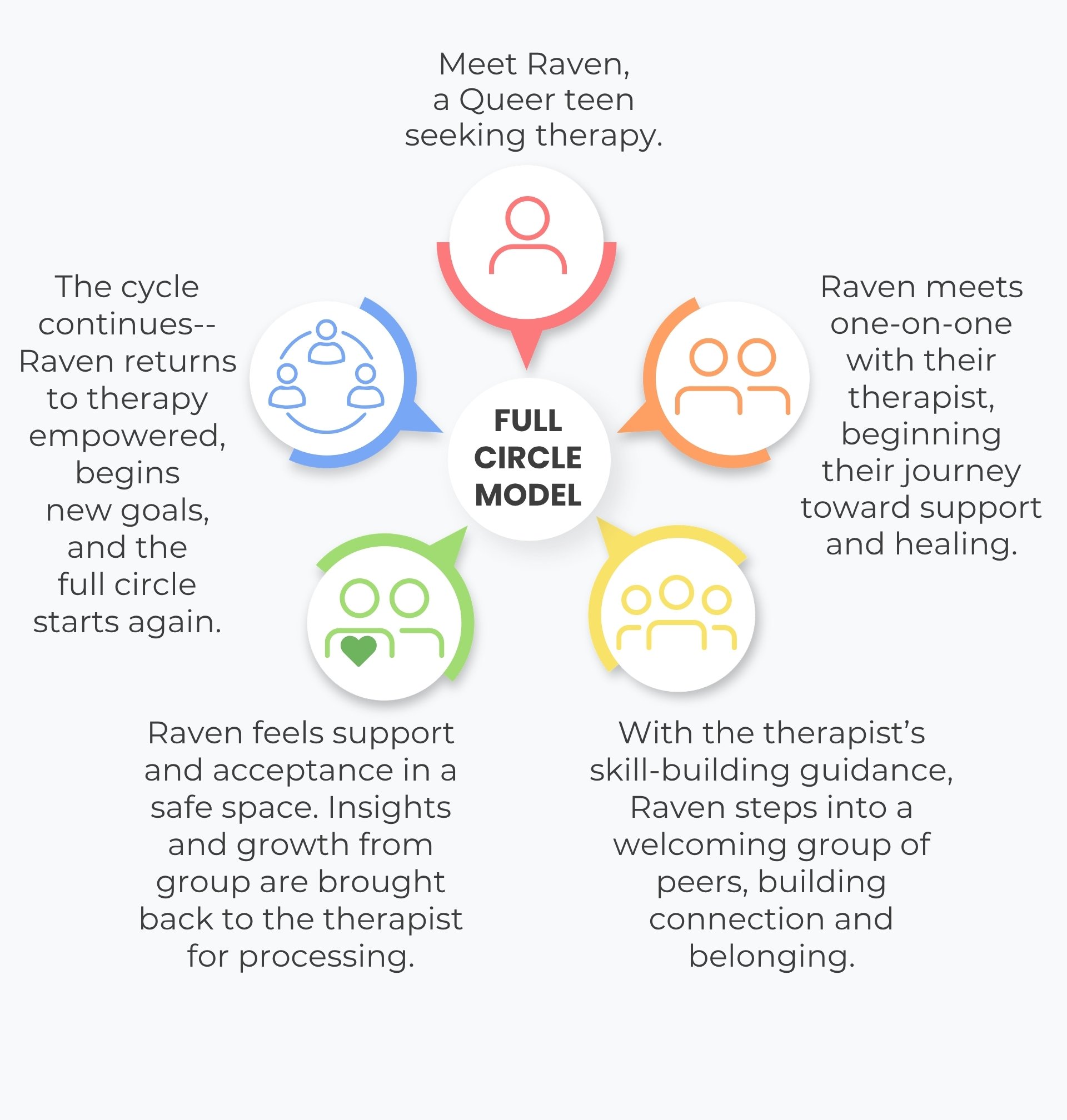
1. Getting Started
Young people can enter the model through trusted local referral networks, including medical professionals, school counselors, and faith leaders.
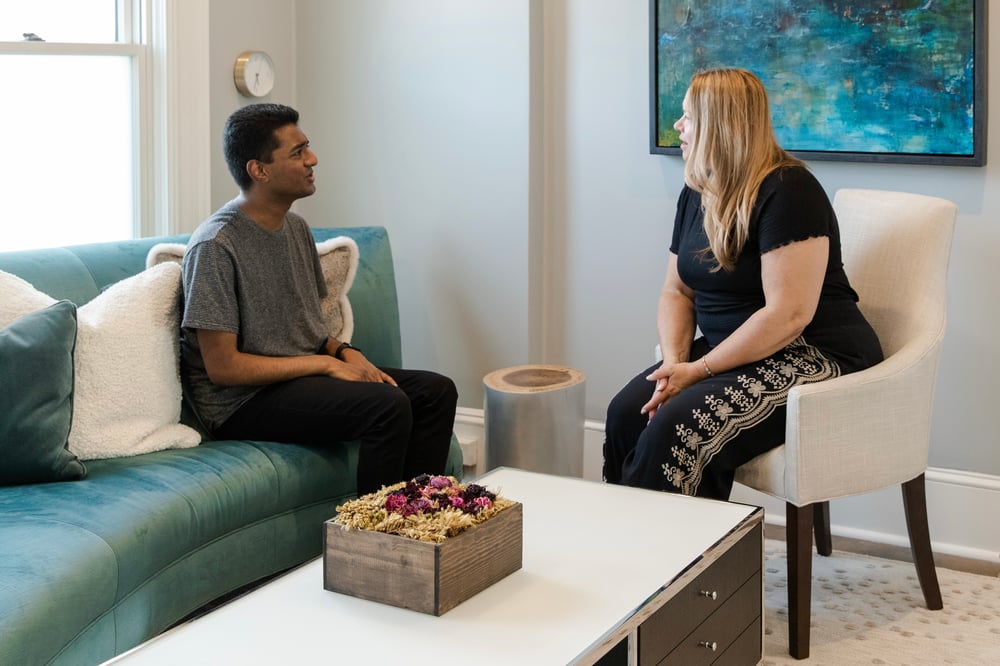
They are paired with a licensed Encircle counselor for regular, private one-on-one therapy.
2. Building the Skills to Take the Next Step
Inside therapy, the young person and therapist work together to develop distress-tolerance tools and identify coping strategies from the Encircle Toolkit.
Together, they create a customized “Social Assignment” based on the young person’s individual developmental goals and their comfort level.
The goal isn't to rush someone into a social environment. It's to prepare them with tools they can draw on when they are ready.
3. A Coordinated Step Into Community
The transition from therapy into Encircle programming is intentionally supported.
The programs team receives the information they need to welcome the young person and help them access the tools they have developed with their clinician, while allowing the young person to remain an ordinary Encircle guest.
4. The Real-World Social Workbench
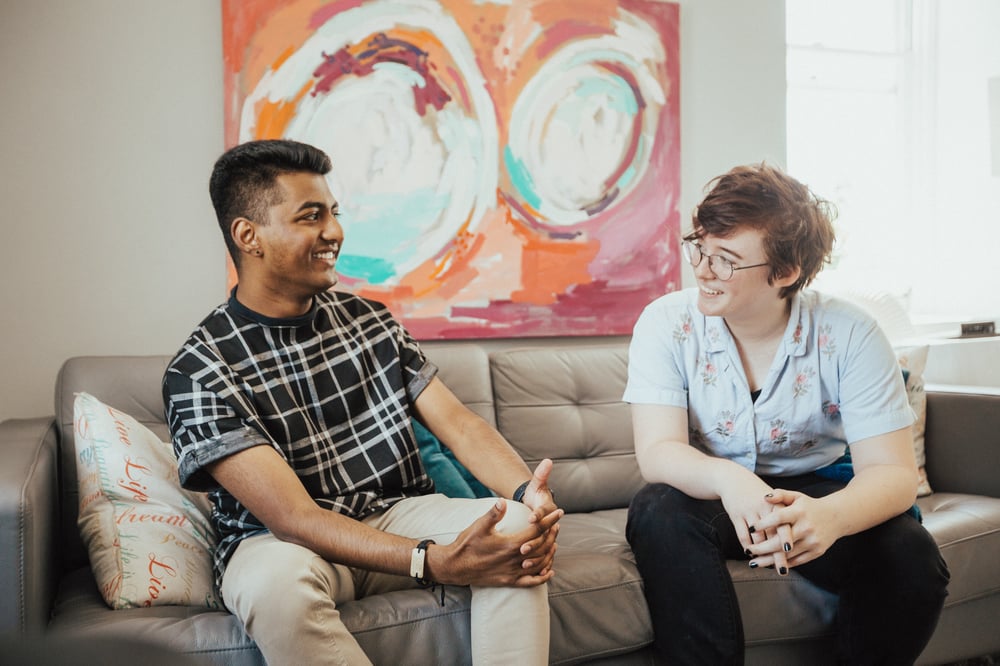
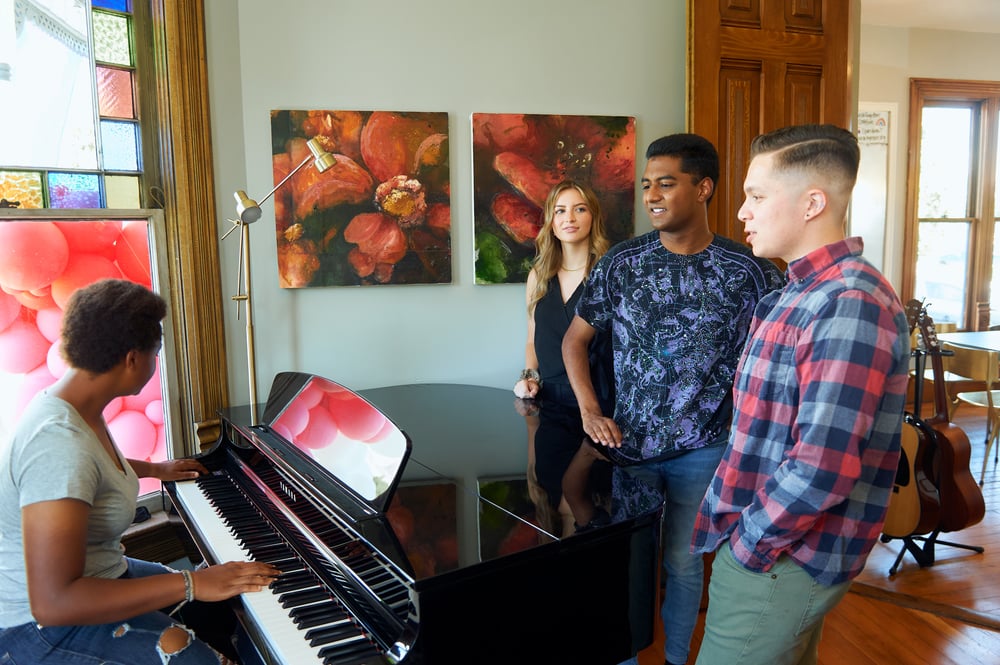
The young person then has an opportunity to practice their strategies within Encircle’s peer community.
Experiences from that environment can, when the young person chooses, become part of their ongoing clinical work. In this way, the model creates a feedback loop between therapy and lived experience.
There Is No Single Right Way to Enter Community
For some young people, simply walking into a new social environment can feel like a significant step.
The Full Circle Model recognizes that participation does not have to begin with immediate social performance. The “Silent Guest” phase gives isolated youth space to become familiar with communal environments at their own pace, without demanding immediate engagement.
This reflects Encircle’s commitment to trauma-informed and neuro-affirming care: creating environments where young people can feel safe enough to settle, observe, connect, and gradually participate in ways that work for them.
Measuring What Matters
Belonging and resilience can sound difficult to quantify. The Full Circle Model takes a structured approach to measuring progress.
Our clinicians use validated assessment tools widely used by mental health providers and experts to track areas including loneliness, social interaction anxiety, and psychological flexibility. The FCM also requires ongoing clinical safety monitoring within one-on-one sessions.
These assessment tools include:
- UCLA-3 (Loneliness Scale): Quantifies the reduction of chronic isolation and "thwarted belongingness".
- BFNE-II (Brief Fear of Negative Evaluation Scale): Tracks reductions in cognitive hyper-vigilance and rejection sensitivity, serving as a proxy for unmasking and social safety in shared spaces
- AAQ-II (Acceptance & Action Questionnaire): Assesses psychological flexibility and the internal capacity to stay present.
- C-SSRS (Columbia Suicide Severity Rating Scale) is pulsed continuously in 1:1 sessions to ensure ongoing life-safety monitoring.
The purpose is straightforward: to move beyond simply saying that a model works and instead track changes over time.
By measuring outcomes at defined milestones, Encircle can better understand a young person’s trajectory and continue strengthening the model.
Grounded in Behavioral Science
The Full Circle Model draws from several established behavioral and relational frameworks.
Its academic and clinical foundations include research on adolescent development, family systems, attachment and co-regulation, relational communication, psychological flexibility, locus of control, and identity- and neurodiversity-affirming care.
The FCM foundational research comes from top experts and institutions such as Dr. Lisa Diamond (University of Utah), Dr. Caitlin Ryan’s Family Acceptance Project (FAP), Dr. Thomas Joiner, Dr. Dan Hughes’s PACE model, and Julian Rotter's foundational psychological framework.
Together, these perspectives inform an approach centered not on compliance or forcing young people to fit a particular mold, but on helping them develop authentic connection, agency, and resilience.
From Participant to Community Builder
The destination of the Full Circle Model isn't simply completing a program.
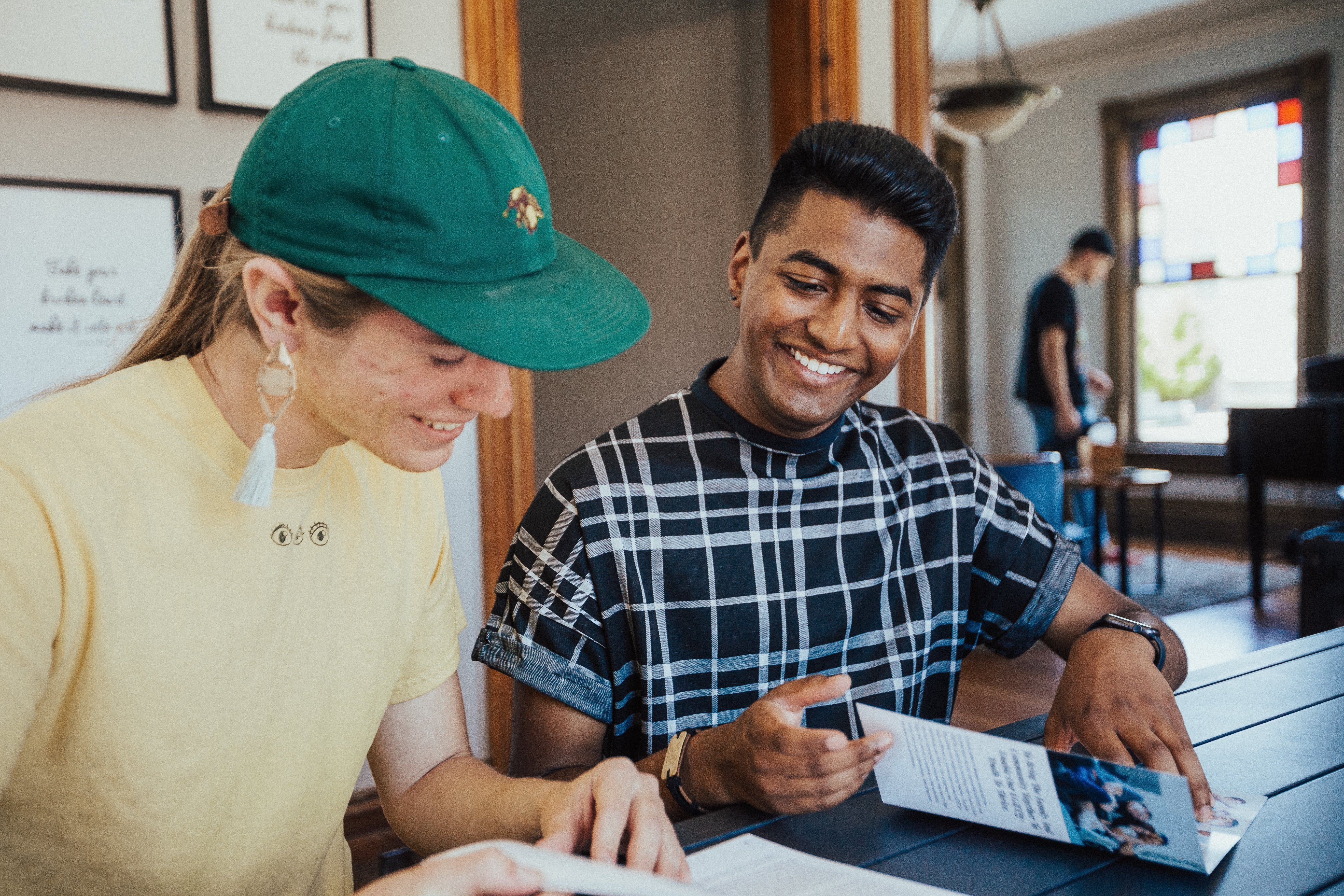
As young people develop confidence in regulating themselves in different situations, we envision a shift from service recipient to community builder. Young people may begin taking on light leadership responsibilities within the Encircle home, such as helping prepare snacks, organizing spaces, or welcoming others.
Therapy can continue, but the focus can increasingly move beyond getting through the day toward longer-term dreams and goals.
The Full Circle Model Vision
Ultimately, the FCM is about expanding what becomes possible.
The framework builds a trajectory toward:
- Deep, authentic connections—relationships in which young people feel seen and valued.
- Real-world independence—carrying skills developed at Encircle into workplaces, interviews, and other community settings.
- Future-oriented growth—making space for education, training, personal goals, and a vision for the future.
- An enduring foundation of pride and confidence—supporting young people as they grow into happy, secure, thriving adults.
For us, the Full Circle Model represents a shift in the question we ask.
Not simply: How do we help a young person survive?
But: How do we help a young person build a life they are excited to live?
That is the promise of moving full circle—from clinical support, into community, toward connection, agency, leadership, and a future shaped by the young person themselves. A future full of radical joy!
Dr. Lisa Diamond Shares That Belonging Is More Than a Message: Why Authentic Connection Matters

Music That Moves Us: Encircle, The Busyhead Project, and Noah Kahan Come Together for Utah’s LGBTQ+ Youth